About Unreachable
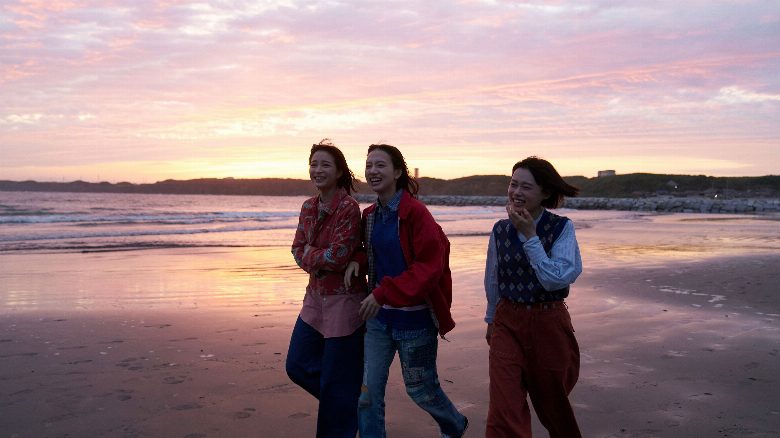
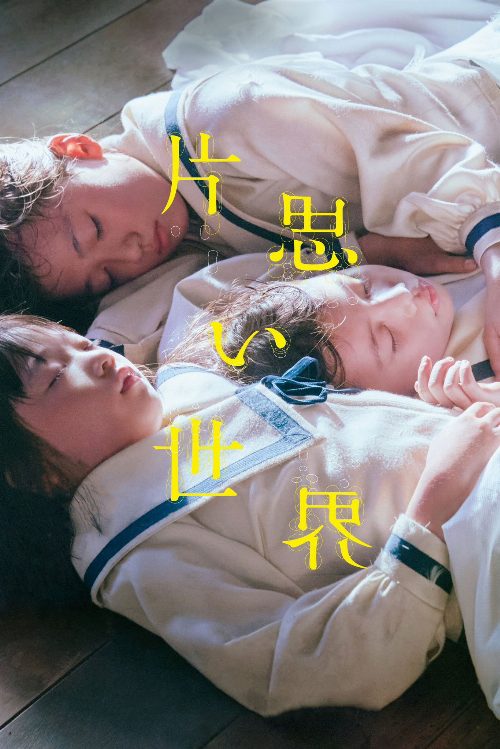
Three young women live together in an old house in a corner of Tokyo. They are not related by blood, but they have been bound together by a strong bond for 12 years. They care about each other and spend their own ordinary days together. The matter of unrequited love arises for them that they can't tell anyone.
The cinematic landscape of 2025 is graced by Unreachable, a poignant Japanese drama that captures the quiet intensity of intimacy and the passage of time. While global audiences often associate Japanese cinema with high-concept thrillers or stylized animation, this film shifts the focus toward the microscopic details of human connection. It centers on three women sharing a residence in the outskirts of Tokyo, a premise that feels reminiscent of the slice-of-life mastery seen in the works of Hirokazu Kore-eda. By stripping away the spectacle, the film invites viewers to inhabit a space where the most significant events are not grand milestones but the unspoken emotions lingering in the kitchen or a shared hallway.
For fans of Indian cinema who appreciate the emotional depth found in modern Malayalam dramas or the character-driven narratives of independent Tamil filmmakers, Unreachable offers a familiar yet distinctly Japanese sensibility. The film explores the intricate dynamics of a chosen family, where the absence of biological ties is replaced by a decade of shared history and mutual reliance. The narrative momentum is driven by the burden of secret affections, a theme that resonates deeply within the cultural framework of East Asian storytelling. It is a slow-burn experience that demands patience, rewarding those who find beauty in the melancholy of daily existence and the vulnerability required to love someone who might never love you back.
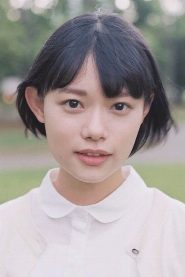
The casting is particularly noteworthy, bringing together Suzu Hirose, Hana Sugisaki, and Kaya Kiyohara to portray a trio whose chemistry serves as the heartbeat of the production. Their performances are positioned as the primary anchor for the audience, grounding the film in an authentic, lived-in reality that avoids melodrama. Ryusei Yokohama rounds out the ensemble, adding a layer of complexity to the interpersonal tensions that simmer beneath the surface of their quiet domesticity. This project is a testament to the enduring power of the ensemble drama, proving that one does not need a sprawling epic to dissect the complexities of the human heart. It is an essential watch for viewers who prioritize character development over plot-heavy twists, standing as a sophisticated addition to the global drama landscape this year.
Cast(8)