About Yan
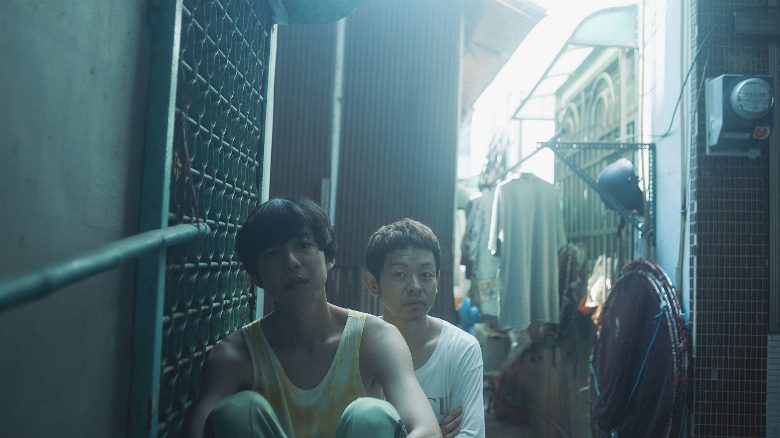
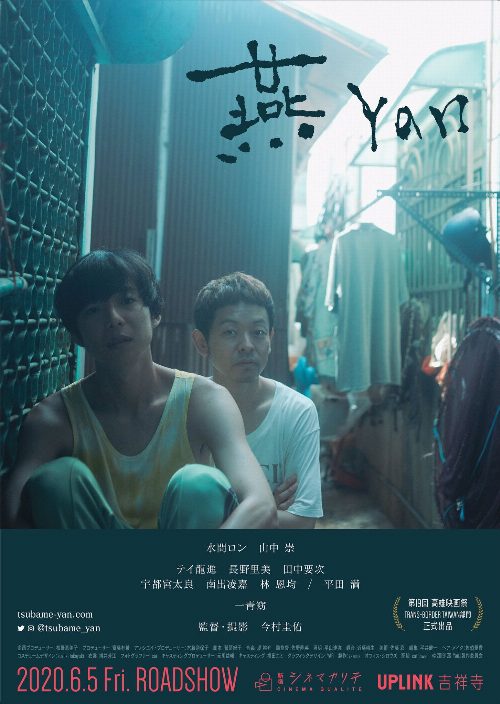
A young man is sent from Japan to Taiwan in order to get his disenfranchised brother to sign away his inheritance rights.
The cross-border familial drama is a genre that often explores the friction between domestic duty and personal liberation, a theme Keisuke Imamura navigates with subtle precision in the 2020 film Yan. Set against the backdrop of Japan and Taiwan, the story moves beyond the standard tropes of inheritance disputes to examine the emotional disconnect between siblings separated by both geography and life choices. While Indian cinema frequently explores the complexities of joint family dynamics and ancestral property, this Japanese drama offers a more hushed, introspective look at how displacement alters one's sense of belonging. The narrative hinges on a protagonist tasked with a delicate mission, yet the film finds its strength in the quiet interactions that occur once he arrives in a foreign environment, forcing him to confront his own preconceptions about his brother's new life.
For fans of international cinema who appreciate the slow-burn pacing characteristic of East Asian character studies, Yan provides a poignant meditation on reconciliation. It is particularly well-suited for viewers who enjoy stories about estrangement and the difficult process of bridging the gap between past obligations and present realities. The film avoids melodramatic fireworks, opting instead for a grounded performance style that allows the weight of unspoken history to dictate the tension between the leads. Yoji Tanaka anchors the production with a performance that balances the rigidity of his character with the vulnerability of someone who suddenly finds his worldview challenged by the unfamiliar surroundings of Taiwan.
The director’s approach is notably restrained, prioritizing the atmosphere of the local setting to mirror the internal state of his characters. In a cinematic landscape currently obsessed with high-octane spectacle and expansive world-building, Yan stands out as a focused, intimate piece of storytelling that demands patience from its audience. It highlights a recurring trend in contemporary Japanese independent film where the focus is shifted toward the mundane details of human connection rather than grand, external conflicts. By stripping away the layers of legal bureaucracy surrounding the inheritance plot, Imamura forces both the audience and his characters to grapple with what it truly means to be a family when the ties that bind have been stretched thin by distance. It is an essential watch for those who value cinema that prioritizes subtext and character evolution over plot-driven resolution, marking it as a sophisticated entry in the drama genre.