About Inn of Evil
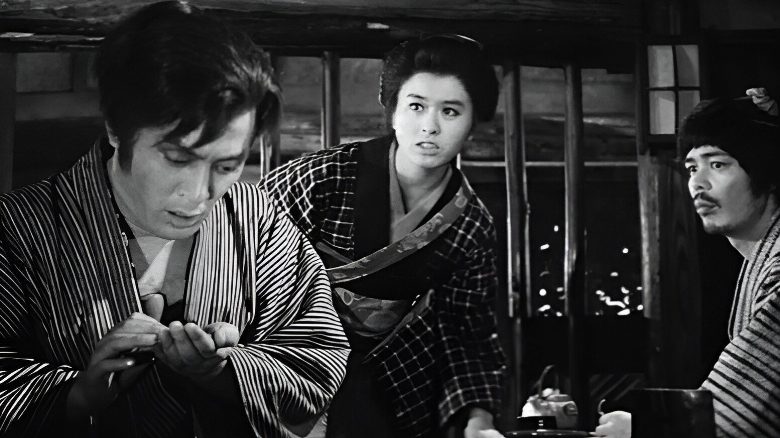
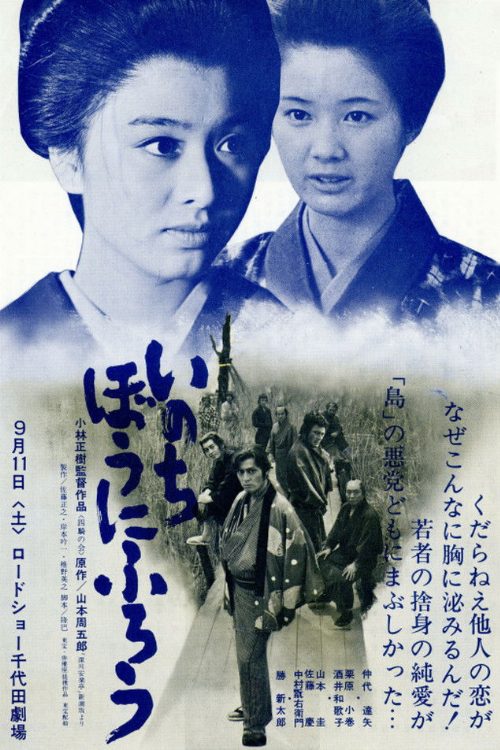
The story takes place in feudal Japan, when any commerce with the rest of the world was strictly prohibited. An idealist suddenly appears in an isolated inn (the one that the title refers to), the head-quarters of a group of smugglers, with stolen money intended to ransom his loved one who is forced to work in a brothel.
Masaki Kobayashi remains a titan of Japanese cinema, celebrated for his relentless scrutiny of institutional corruption and the fragility of the human spirit. With Inn of Evil, the director pivots away from his grander, sprawling epics to craft a claustrophobic, tension-filled portrait of desperation set within the rigid social structures of the Edo period. By focusing on a sequestered establishment operating outside the law, the film invites viewers into a subterranean world where loyalties are as fleeting as the shadows cast by flickering lanterns. Shintaro Katsu commands the screen with a performance that radiates both weariness and unexpected tenacity, anchoring a narrative that feels remarkably contemporary despite its historical setting. Unlike the sweeping samurai sagas often associated with this era, this film leans into the grit of criminal desperation and the moral compromises forced upon those living on the fringes of an isolationist society.
The narrative gains its momentum from the arrival of a protagonist whose singular focus is the liberation of a woman trapped in an indentured life. This core conflict transforms the inn from a mere waypoint into a pressure cooker of conflicting interests, pitting the protagonist against a network of illicit traders who guard their secrets with lethal precision. For enthusiasts of global cinema, particularly those who appreciate the hard-boiled aesthetic found in classic noir, the film serves as a masterclass in atmosphere and pacing. It captures the psychological toll of poverty and the way systemic oppression turns ordinary people into either victims or villains. The production design emphasizes the cramped, inescapable nature of the inn, mirroring the narrow options available to the characters who dwell there.
Viewers who enjoy the deliberate, character-driven storytelling often found in the best of world cinema will likely find this work compelling. It eschews flashy spectacle in favor of a slow-burn buildup that highlights the complexities of the criminal underworld. The film stands as a testament to the ability of Japanese filmmakers of the seventies to reinvent period dramas by injecting them with profound existential dread and sharp social commentary. Whether you are a long-time admirer of the director or someone looking to explore the deeper cuts of international crime thrillers, this piece offers a chilling look at the price of morality when survival itself is on the line. It is a stark reminder that even in the most restricted environments, the desire for freedom remains a powerful, often dangerous, catalyst for change.
Cast(17)