About The Ballad of Narayama
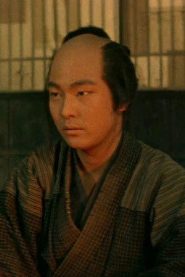
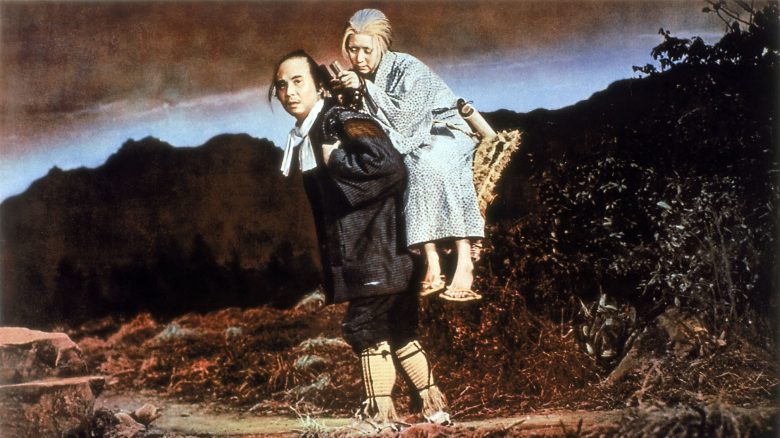
In Kabuki style, the film tells the story of a remote mountain village where the scarcity of food leads to a voluntary but socially-enforced policy in which relatives carry 70-year-old family members up Narayama mountain to die. Granny Orin is approaching 70, content to embrace her fate. Her widowed son Tatsuhei cannot bear losing his mother, even as she arranges his marriage to a widow his age. Her grandson Kesa, who's girlfriend is pregnant, is selfishly happy to see Orin die. Around them, a family of thieves are dealt with severely, and an old man, past 70, whose son has cast him out, scrounges for food. Will Orin's loving and accepting spirit teach and ennoble her family?
Few cinematic experiences capture the stark intersection of folklore and existential dread quite like the 1958 masterpiece The Ballad of Narayama. Directed by Keisuke Kinoshita, the film is a fascinating stylistic experiment that blends the rigid, artificial aesthetic of traditional Japanese theater with a visceral, haunting narrative about human survival. By utilizing Kabuki-inspired sets and lighting, the director creates a dreamlike barrier between the audience and the brutal reality of the villagers who must contend with starvation. This aesthetic choice is not merely decorative; it serves to heighten the tragic gravity of a society where resources are so thin that the elderly must be ceremonially escorted to their deaths to ensure the survival of the young.
For enthusiasts of Indian cinema who appreciate the raw, rural realism often found in the works of directors like Satyajit Ray or the poignant family dramas coming out of the Malayalam industry today, this film offers a profound thematic parallel. Much like regional Indian films that explore the tension between societal tradition and individual morality, this story delves into the agonizing filial conflict faced by Tatsuhei. The film avoids being a simple historical drama, instead functioning as a timeless meditation on the cycles of life and death. The performance of Kinuyo Tanaka as Orin is particularly striking, grounding the stylized surroundings with a quiet, devastating dignity that anchors the entire production.
This picture is essential viewing for those who enjoy slow-burn dramas that challenge their perspective on community ethics. It is not an easy watch, given its grim subject matter, yet it remains a landmark of world cinema for its bold visual language and its unflinching look at the sacrifices made in the name of collective endurance. While contemporary global audiences are accustomed to naturalistic filmmaking, the deliberate artifice of this production provides a unique window into how cinema can mythologize local legends. It stands as a testament to Kinoshita’s visionary command over his craft, proving that even a story rooted in a remote, localized practice can resonate with the universal human experience. Anyone interested in the evolution of Eastern storytelling will find this a vital bridge between classic stage traditions and the modern medium of film.
Cast(13)