About The Last Swordsman
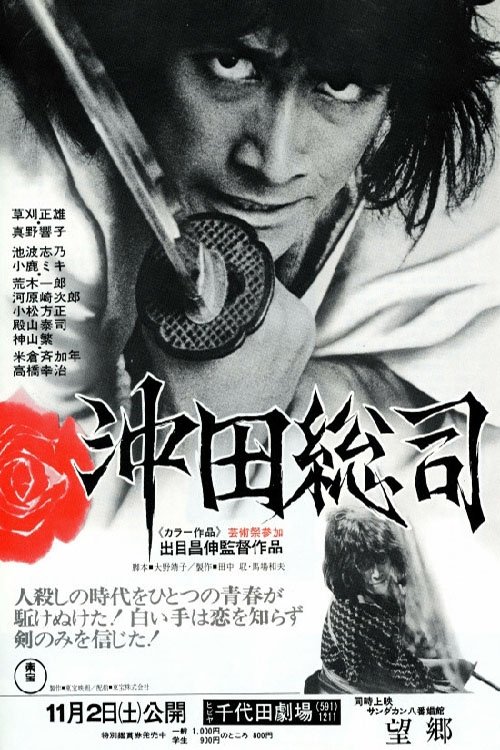
Personal tale of Okita Soji who fights to survive in a world without pity in the merciless era of the downfall of the Tokugawa Shogunate.
The twilight years of the Tokugawa Shogunate serve as a perennial canvas for Japanese period dramas, yet The Last Swordsman manages to strip away the usual romantic veneer of the samurai mythos to reveal a stark, intimate portrait of mortality. By focusing on the legendary figure of Okita Soji, the film pivots away from grand geopolitical movements to examine the interiority of a man whose primary identity is defined by the blade. Unlike the sweeping epics that often characterize the jidaigeki genre, this 1974 production captures the suffocating atmosphere of a changing society where traditional warriors found their skills increasingly obsolete. The narrative choices highlight the isolation inherent in such a transition, grounding the historical weight of the era in the fragile, human experience of its protagonist.
Masao Kusakari delivers a performance that anchors the film, balancing the lethal precision of a master fighter with the quiet despair of a man witnessing the erosion of his way of life. For viewers well-versed in Indian cinema, the structural parallels to the tragic hero archetypes found in films like the Telugu cult classic Matrudevobhava or the intensity of early Malayalam period dramas are striking. Both traditions share a profound respect for the cost of duty and the inevitable march of time, making this Japanese classic highly accessible to fans of character-driven historical narratives. The direction emphasizes atmosphere over spectacle, creating a tension that is as much about the silence between strikes as it is about the violence itself.
This project is essential viewing for those who appreciate the intersection of psychological drama and period action. It functions not merely as a chronicle of a bygone era but as a meditative study on the persistence of honor when the world has moved on to new political realities. The supporting cast provides a textured backdrop that prevents the film from collapsing into a singular hero-worship exercise, ensuring that the environment feels lived-in and fundamentally dangerous. As current trends in global cinema continue to embrace stories of cultural identity and historical reckoning, The Last Swordsman remains a compelling reference point. It is a film that demands patience, rewarding the audience with an unflinching look at the toll taken by an era of profound upheaval. Whether you are a scholar of international film history or simply a fan of intense, grounded storytelling, this work stands as a testament to the power of the medium to distill massive societal shifts into the heartbeat of a single individual.
Cast(12)