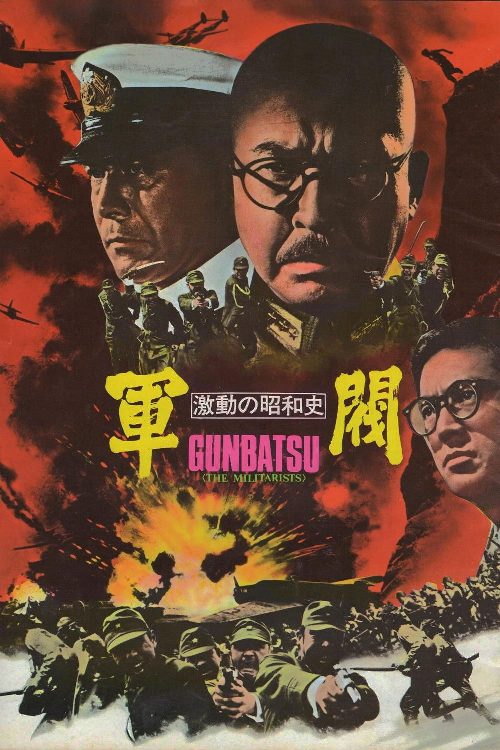
About The Militarists
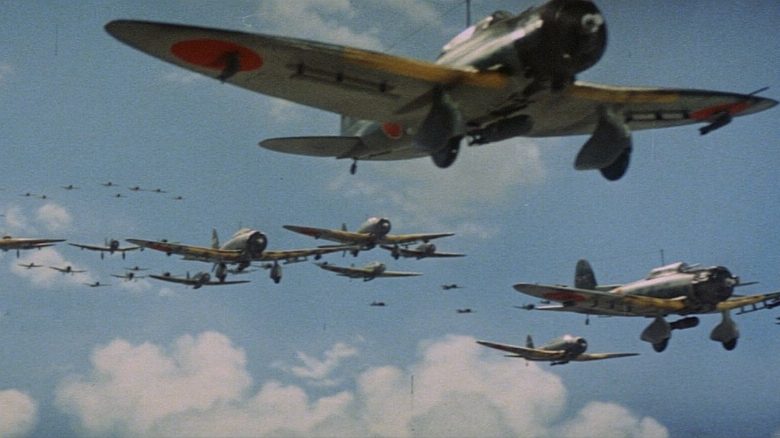
Cinema history often favors the visceral spectacle of the battlefield, yet The Militarists chooses a far more suffocating arena for its conflict. Released in 1970, this Japanese drama pivots away from the trenches to examine the sterile, high-stakes corridors where the path to catastrophe is paved with bureaucratic memos and rigid ideological fervor. By focusing on the internal mechanics of the imperial government during the lead-up to the Second World War, the film provides a chilling look at how institutional inertia and nationalistic hubris can dismantle a society from within. It stands as a stark companion piece to the introspective political dramas that defined the late sixties, moving away from the romanticized notions of duty that frequently colored earlier depictions of the era.
For viewers who appreciate the intricate power dynamics found in modern political thrillers or the dense, dialogue-heavy tension of Indian cinema classics that probe state corruption, this film offers a masterclass in psychological gravity. It functions less like a standard war movie and more like a procedural autopsy of a crumbling nation. The performances are characterized by a restrained intensity, particularly those from Keiju Kobayashi and Tatsuya Mihashi, who anchor the narrative with a sense of fatalistic urgency. Their portrayal of men trapped by their own political machinations will resonate with audiences who enjoy stories about the heavy price of ambition and the terrifying ease with which leaders can steer a country toward an inevitable abyss.
This production remains a vital entry in the canon of historical dramas because it treats the past not as a static museum piece, but as a cautionary blueprint of systemic failure. As the industry currently sees a renewed interest in films that deconstruct the myths of history, this work feels surprisingly relevant to contemporary discussions about governance and the dangers of unchecked authority. It is an essential watch for cinephiles who prioritize intellectual stimulation over pyrotechnics. By meticulously charting the shift from diplomatic maneuvering to total mobilization, the story demands that the audience weigh the moral responsibility of the individual against the crushing weight of state apparatus. It is a haunting exploration of how the most destructive fires are often ignited by the cold, calculating hands of those sitting behind desks, making it a timeless study of human fallibility that continues to command attention decades after its debut.
Cast(57)