
The Song of the Bwana Toshi(1965)
About The Song of the Bwana Toshi
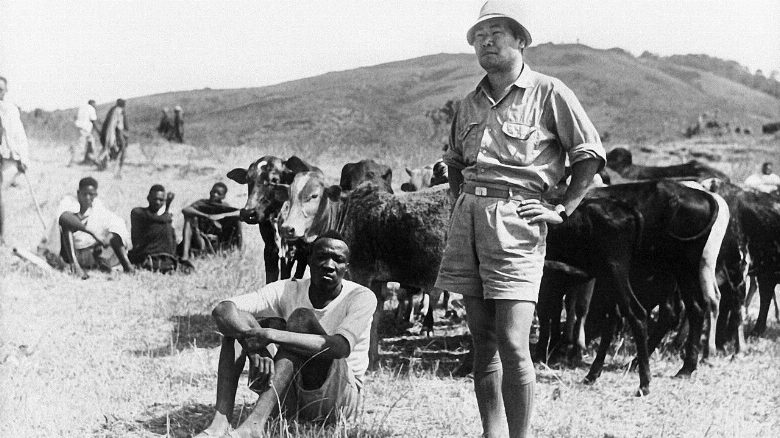
Traveling to Africa in a cultural exchange program, a young Japanese engineer discovers a world completely unlike the one he knows. His interaction with the Africans he meets reveals to him that he has been living a lie, and that he is not the man he thought he was.
Stepping far outside the familiar landscape of mid-sixties Japanese studio dramas, The Song of the Bwana Toshi presents a jarring and introspective look at the collision between insular societal expectations and the sprawling reality of the African continent. Directed by Susumu Hani, the film moves away from the domestic concerns that dominated the era, instead choosing to place a Japanese engineer in a position of complete cultural displacement. This is not merely a travelogue but a rigorous examination of identity, where the protagonist is forced to dismantle his preconceived notions of superiority and professional purpose. For audiences accustomed to the hyper-localized narratives of Indian cinema, where regional identity often anchors the emotional stakes, this film offers a fascinating counterpoint. It explores how a character, stripped of his professional title and home-country social standing, must confront the uncomfortable truth that his internal moral compass was calibrated by a culture that may not hold weight in a global context.
The strength of the film lies in the performance of Kiyoshi Atsumi, an actor frequently associated with more comedic or grounded roles, who here captures the vulnerability of a man undergoing a profound existential crisis. By focusing on his interactions with local residents, the narrative avoids the trap of being a purely western-centric exploration of the exotic. Instead, it functions as a mirror for the protagonist, reflecting his insecurities and the artificial nature of his former life. For viewers who appreciate the character-driven depth found in contemporary Malayalam or parallel Hindi cinema, this work serves as an early precursor to the genre of the self-discovery road trip. It is a slow-burn experience that prioritizes psychological shifts over traditional plot momentum, making it an ideal choice for those who value cinema as a medium for philosophical inquiry rather than just escapist entertainment.
In the broader context of international film history, this project stands out for its commitment to location-based authenticity and its willingness to challenge the viewer to look beyond the surface of a simple exchange program premise. It asks whether a person can ever truly transcend their upbringing, or if we are merely products of the environments we claim to have outgrown. Whether you are an enthusiast of mid-century world cinema or someone intrigued by the evolution of the fish-out-of-water trope, the film remains a compelling study of humanity. It captures a specific moment in time when the boundaries of the world felt both incredibly vast and intimately interconnected, inviting modern audiences to reassess how they define their own place within a global society.